
Description
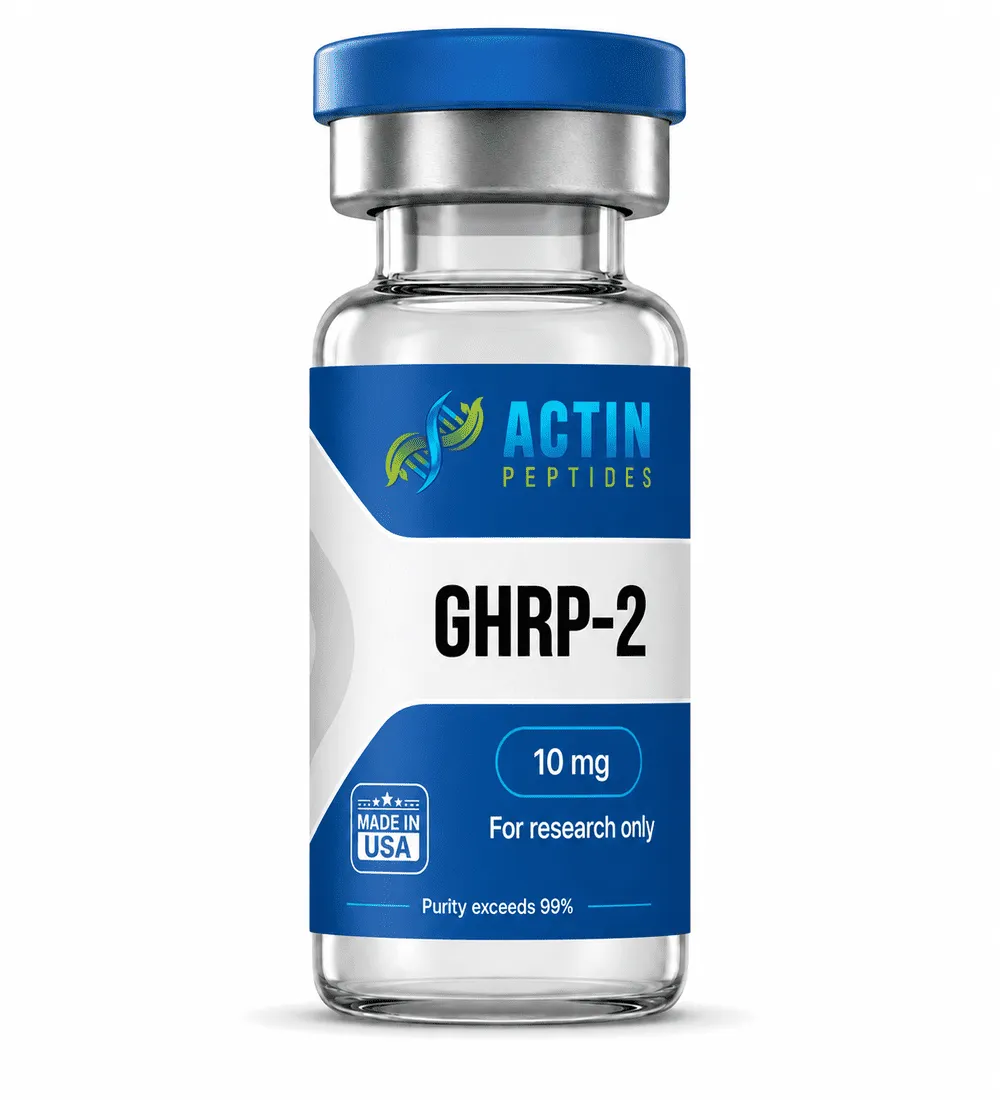
GHRP-2 Peptide: Research, Mechanism of Action, and Growth Hormone Signaling
Introduction
GHRP-2 peptide, also known as pralmorelin, is a synthetic pentapeptide that has been extensively studied for its interaction with the growth hormone secretagogue receptor (GHS-R), the receptor activated naturally by the hormone ghrelin. Researchers have investigated GHRP-2 primarily for its effects on growth hormone (GH) secretion, appetite-related signaling, and several cellular pathways associated with metabolism and inflammation.
Unlike its structural relationship to met-enkephalin, GHRP-2 does not appear to function primarily as a conventional neurotransmitter. Instead, research suggests that its biological activity is closely associated with GHS-R signaling in the pituitary, hypothalamus, and other tissues.
For researchers exploring GHRP-2 research, growth hormone secretagogues, ghrelin signaling, or peptide-mediated endocrine pathways, the compound provides a useful model for studying how receptor activation can influence downstream cellular signaling.
What Is GHRP-2 Peptide?
GHRP-2 is a synthetic five-amino-acid peptide studied primarily for its ability to activate growth hormone secretagogue receptors (GHS-Rs). These receptors are naturally activated by ghrelin and participate in the regulation of growth hormone secretion, appetite, and energy-related signaling.
Research has also investigated GHRP-2 in models involving:
- Growth hormone secretion
- Ghrelin receptor signaling
- Appetite and feeding behavior
- IGF-1 signaling
- Muscle protein metabolism
- Oxidative stress
- Inflammatory signaling
- Growth hormone deficiency research
GHRP-2 Overview
GHRP-2 belongs to the family of growth hormone-releasing peptides (GHRPs). Its primary research significance comes from its interaction with GHS-Rs rather than direct replacement of endogenous growth hormone.
When GHRP-2 interacts with GHS-Rs, researchers propose that it initiates intracellular signaling involving G-proteins and downstream second messengers. These pathways can influence calcium-dependent signaling, protein kinase activity, cyclic AMP (cAMP), and ultimately GH secretion from pituitary cells.
Research also indicates that GHS-R activation extends beyond the pituitary. GHS-Rs occur in areas of the nervous system involved in appetite and energy regulation, making GHRP-2 an important research compound for studying the relationship between ghrelin signaling, growth hormone, and feeding behavior.
GHRP-2 Mechanism of Action
GHS-R Activation
The primary GHRP-2 mechanism involves activation of the growth hormone secretagogue receptor.
GHS-R is a G-protein-coupled receptor that responds naturally to ghrelin. Research suggests that GHRP-2 can interact with this receptor and initiate intracellular signaling.
The resulting signaling cascade may involve:
- GHS-R activation
- G-protein signaling
- Phospholipase C (PLC) activation
- Formation of IP3 and diacylglycerol (DAG)
- Intracellular calcium mobilization
- Protein kinase C (PKC) signaling
- cAMP-related signaling
- Increased GH secretion from pituitary cells
This receptor-mediated mechanism distinguishes GHRP-2 from peptides that act directly as growth hormone-releasing hormone analogs.
Growth Hormone and IGF-1 Signaling
Researchers have investigated GHRP-2 for its ability to influence pulsatile GH secretion. Some experimental studies have also reported increases in insulin-like growth factor-1 (IGF-1) following GHRP-2 exposure.
GH and IGF-1 form an important endocrine signaling axis involved in growth, metabolism, protein turnover, and cellular signaling.
For comparison, researchers studying the broader GH/IGF-1 axis may also investigate compounds such as IGF-1 LR3 and Sermorelin as distinct research tools.
Appetite and Ghrelin Signaling
Ghrelin plays an important role in feeding behavior and energy regulation. Because GHRP-2 activates the same receptor family, researchers have investigated whether the peptide can influence appetite-related signaling.
Experimental findings suggest that GHRP-2 may increase signaling involving appetite-associated neuropeptides such as:
- Neuropeptide Y (NPY)
- Agouti-related peptide (AgRP)
Researchers have also examined potential interactions with α-melanocyte-stimulating hormone (α-MSH), a signaling molecule associated with appetite regulation.
These findings make GHRP-2 useful for research examining the relationship between ghrelin receptors, appetite, energy balance, and endocrine signaling.
Receptor Desensitization
GHS-R signaling does not remain continuously responsive after activation. Research has suggested that GHRP-2 exposure can produce receptor desensitization, temporarily reducing receptor responsiveness before signaling sensitivity recovers.
This phenomenon is important when studying receptor pharmacology because it demonstrates that the biological response to a secretagogue depends not only on receptor activation but also on receptor regulation over time.
Chemical Makeup of GHRP-2
| Property | Details |
|---|---|
| Peptide Name | GHRP-2 |
| Alternative Name | Pralmorelin |
| Peptide Type | Synthetic pentapeptide |
| Molecular Formula | C45H55N9O6 |
| Molecular Weight | 817.97 g/mol |
| Primary Research Target | Growth hormone secretagogue receptor (GHS-R) |
| Research Classification | Growth hormone secretagogue |
GHRP-2 Research and Clinical Studies
GHRP-2 and Growth Hormone Secretion
Study Objective
Researchers have investigated GHRP-2 to understand how synthetic growth hormone-releasing peptides influence endocrine hormone secretion.
Research Approach
Experimental studies compared GHRP-2 with endogenous growth hormone-releasing hormone (GHRH) and examined hormone concentrations following peptide exposure.
Findings
Research reported increases in GH secretion following GHRP-2 exposure. Some studies also observed changes in other endocrine hormones, including ACTH and cortisol.
Additional experimental research has reported substantial increases in peak GH concentrations and pulsatile GH secretion following GHRP-2 exposure. Some studies also observed increases in IGF-1 during prolonged exposure.
Scientific Significance
These findings have made GHRP-2 an important research tool for investigating GHS-R activation, pituitary GH secretion, and the GH/IGF-1 signaling axis.
Importantly, these observations do not establish therapeutic efficacy or indicate that GHRP-2 is appropriate for human use.
GHRP-2 and Appetite Research
Study Objective
Researchers have investigated whether activation of GHS-R by GHRP-2 influences feeding behavior.
Research Approach
Experimental models received GHRP-2 or a control solution before researchers measured food consumption.
Findings
One study reported that models receiving GHRP-2 consumed more food than the control group. The researchers also observed increased GH concentrations.
Scientific Significance
The findings support continued investigation of GHRP-2 as a research tool for understanding the relationship between ghrelin receptors, appetite, GH secretion, and energy balance.
GHRP-2 and Muscle Tissue Research
Study Objective
Researchers have investigated whether GHRP-2 affects muscle protein metabolism under experimentally induced stress.
Research Approach
Experimental models subjected to thermal injury were examined following GHRP-2 exposure.
Findings
Researchers reported changes in inflammatory markers and reductions in muscle-associated ubiquitin ligases, including MuRF-1 and MAFbx, which are involved in protein degradation pathways.
Some experimental findings also suggested changes in total muscle protein breakdown.
Scientific Significance
These observations have generated interest in GHRP-2 as a research compound for studying the relationship between growth hormone signaling, muscle protein turnover, and cellular stress.
However, experimental findings should not be interpreted as evidence that GHRP-2 promotes muscle growth in humans.
GHRP-2 and Oxidative Stress Research
Study Objective
Scientists have investigated potential interactions between GHRP-2, oxidative stress, and cellular signaling.
Research Approach
Experimental studies examined GHRP-2 in models involving oxidized low-density lipoprotein (OxLDL), oxidative stress, and vascular cellular responses.
Findings
Researchers reported changes in several oxidative and inflammatory markers following GHRP-2 exposure. Experimental models also showed changes in IGF-1 concentrations and markers associated with oxidative signaling.
Scientific Significance
These findings have encouraged further research into how GHS-R activation may interact with oxidative stress pathways and vascular cellular signaling.
The results remain preclinical and do not establish cardiovascular or antioxidant benefits in humans.
GHRP-2 and Inflammatory Signaling
Study Objective
Researchers have investigated whether GHRP-2 influences inflammatory signaling during experimentally induced tissue stress.
Research Approach
Experimental models of acute lung injury were used to evaluate changes in edema, inflammatory cell infiltration, and cytokine signaling following GHRP-2 exposure.
Findings
Research reported reductions in several inflammatory indicators, including neutrophil infiltration and pro-inflammatory cytokine levels. Researchers also examined potential effects on nuclear factor-kappa B (NF-κB), an important regulator of inflammatory gene expression.
Scientific Significance
These observations suggest that GHRP-2 may interact with inflammatory signaling pathways beyond its established research interest in GH secretion.
Further studies are required to determine the mechanisms and reproducibility of these observations.
GHRP-2 and Growth Hormone Deficiency Research
Study Objective
Researchers have examined GHRP-2 as a potential experimental stimulus for evaluating GH secretion in models of growth hormone deficiency.
Research Approach
Experimental subjects previously evaluated using conventional GH stimulation procedures were subsequently exposed to GHRP-2. Researchers measured GH concentrations following administration.
Findings
Studies reported measurable GH responses following GHRP-2 exposure, with peak responses occurring during the observation period.
Researchers also investigated GHRP-2 alongside GHRH to evaluate whether combining different secretagogue pathways produced distinct GH responses.
Scientific Significance
This research demonstrates why GHRP-2 remains relevant to studies examining pituitary responsiveness, GHS-R signaling, and growth hormone secretagogue pharmacology.
GHRP-2 with TRH and GnRH
Researchers have also investigated GHRP-2 alongside other endocrine signaling molecules, including thyrotropin-releasing hormone (TRH) and gonadotropin-releasing hormone (GnRH).
Experimental protocols compared GHRP-2 alone with combinations involving TRH and GnRH.
The results suggested that combined stimulation could produce broader endocrine responses involving GH, thyroid-stimulating hormone, and luteinizing hormone pathways.
These experiments highlight the interconnected nature of endocrine signaling and demonstrate why researchers may evaluate GHRP-2 alongside other hypothalamic-pituitary regulatory pathways.
What Is GHRP-2 Researched For?
GHRP-2 is primarily researched for its interaction with growth hormone secretagogue receptors and its effects on GH secretion. Researchers have additionally investigated its relationship with appetite signaling, IGF-1, muscle protein metabolism, oxidative stress, inflammation, and endocrine regulation.
What Makes GHRP-2 Unique?
GHRP-2 is notable because it acts through the GHS-R/ghrelin receptor system, providing researchers with a model for studying how receptor activation can influence both pituitary GH secretion and broader metabolic and appetite-related signaling.
GHRP-2 Peptide Benefits Research
When discussing GHRP-2 peptide benefits research, it is important to distinguish laboratory observations from established human outcomes.
Research has explored potential biological effects involving:
- Growth hormone secretion
- GHS-R activation
- IGF-1 signaling
- Appetite-related pathways
- Muscle protein turnover
- Oxidative stress signaling
- Inflammatory pathways
- Endocrine stimulation
These findings represent areas of scientific investigation rather than established medical benefits.
Related Peptide Research
Researchers interested in GHRP-2 may also explore related compounds within the broader peptide research field.
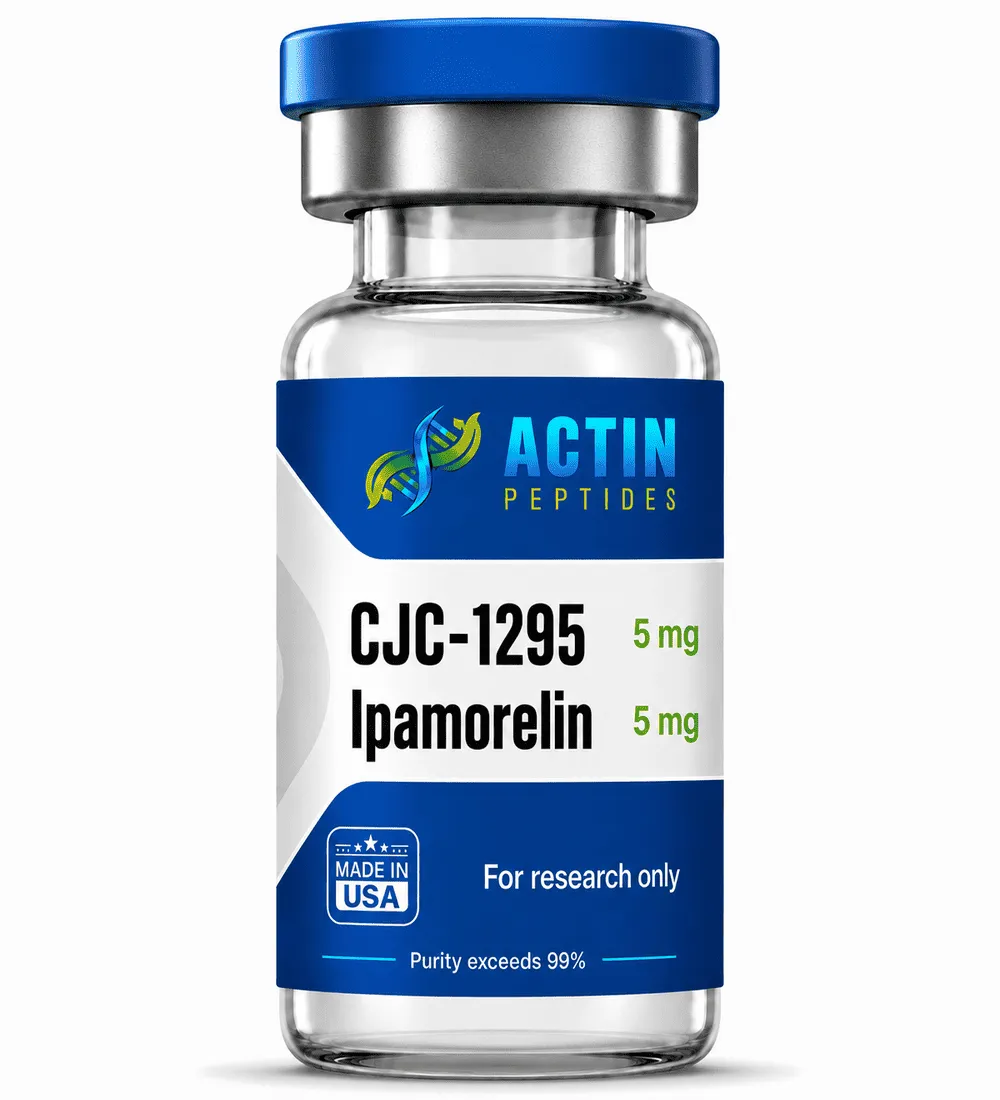
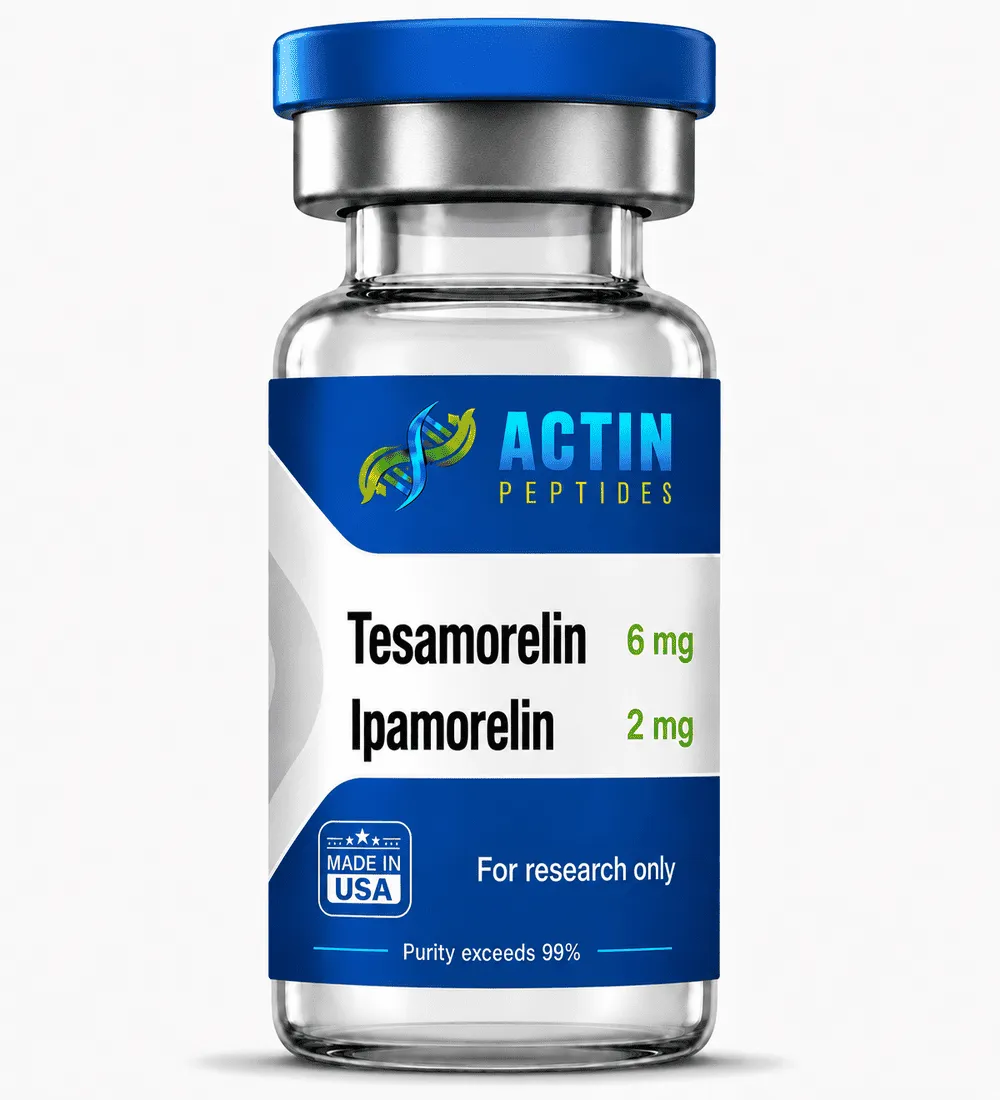
For example, Sermorelin provides a distinct research model for investigating growth hormone-releasing hormone signaling, while IGF-1 LR3 is studied within the downstream IGF signaling pathway.
Other peptides can provide complementary research models for investigating cellular growth, metabolism, tissue signaling, and endocrine pathways.
GHRP-2 Peptide FAQ
What is GHRP-2 peptide?
GHRP-2 is a synthetic pentapeptide, also known as pralmorelin, that researchers study primarily for its interaction with growth hormone secretagogue receptors (GHS-Rs).
How does GHRP-2 work?
GHRP-2 appears to activate GHS-Rs, triggering intracellular signaling involving G-proteins, PLC, IP3, DAG, calcium, PKC, and related signaling pathways that can influence GH secretion.
What is GHRP-2 researched for?
GHRP-2 research focuses primarily on GH secretion and GHS-R pharmacology, with additional studies examining appetite signaling, IGF-1, muscle protein metabolism, oxidative stress, inflammation, and endocrine pathways.
Is GHRP-2 the same as growth hormone?
No. GHRP-2 is a synthetic growth hormone secretagogue. It is studied for its ability to stimulate signaling through GHS-Rs rather than being identical to endogenous human growth hormone.
Is GHRP-2 approved for human therapeutic use?
This product page describes GHRP-2 as a research compound. The research summarized here should not be interpreted as evidence of regulatory approval, therapeutic efficacy, or suitability for human use.
Conclusion
GHRP-2 remains an important compound in peptide research because of its interaction with the growth hormone secretagogue receptor and the broader ghrelin signaling system. Research has primarily focused on its ability to influence GH secretion, while additional experimental studies have examined appetite regulation, IGF-1 signaling, muscle protein metabolism, oxidative stress, and inflammatory pathways.
The most established research relationship is between GHRP-2 and GHS-R-mediated endocrine signaling. Other reported biological effects remain areas for continued investigation and should be interpreted within the limitations of experimental research.
For researchers comparing growth hormone secretagogues, GHRP-2 provides a distinct model for studying receptor-mediated endocrine signaling and the complex relationship between ghrelin, growth hormone, appetite, and metabolism.
Research Disclaimer
GHRP-2 is available strictly for research and laboratory purposes only. It is not approved for human consumption, therapeutic use, or diagnostic applications. Please review our Terms and Conditions before placing an order.
 English
Reviews
There are no reviews yet.